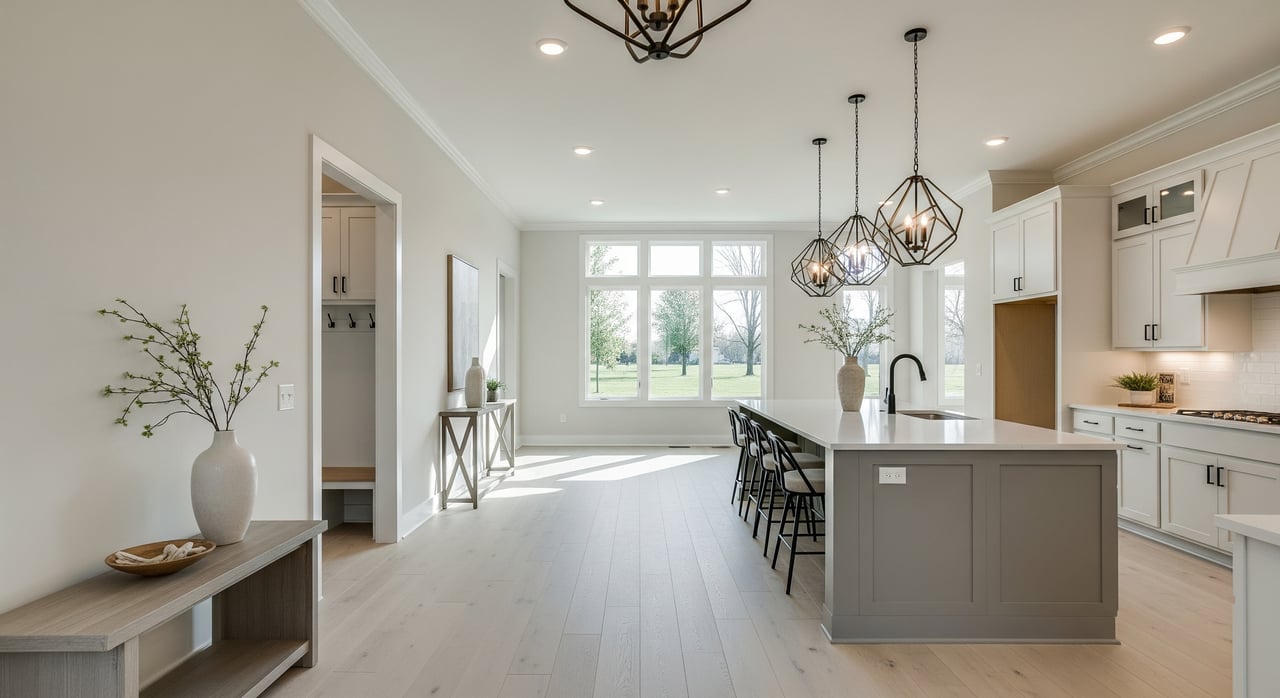
You expect a brand‑new home to be flawless, yet small misses can slip through before closing. A careful walkthrough and a clear plan for warranty claims protect your investment and reduce stress. If you are building or buying new construction in Plainfield or Hendricks County, this guide shows you what to check, what to collect, and how to get issues fixed on time. Let’s dive in.
Walkthroughs: timing and purpose
Your new‑home process typically includes several walkthroughs. Each one serves a different purpose, and all are important.
- Final or pre‑closing walkthrough: Usually 24 to 72 hours before closing. You verify that the home matches the contract and that agreed items are complete or on a punch list.
- Builder orientation at turnover: The builder demonstrates systems and gives you manuals, contacts, and warranty details. You confirm everything operates as shown.
- Punch list follow‑up: After you submit your list of items, schedule a return visit to confirm repairs.
- 11‑month walkthrough: Before the first‑year workmanship coverage expires, you inspect again and submit remaining items.
What to bring and how to prepare
A smooth walkthrough starts with good prep. Arrive with time to spare and plan to test every room and system.
- Printed checklist, notepad, and pen
- Flashlight, camera or phone, and a tape measure
- Shoes that will not scuff new floors
- Extra batteries for small tools and detectors if needed
Separate cosmetic concerns from functional or safety issues. Prioritize items that affect habitability, water, electrical, or structural performance.
Exterior and site checklist
Start outside. Water and grading issues are common in the Midwest, so look closely at drainage.
- Grading slopes away from the foundation on all sides
- Gutters and downspouts secure and extended away from the house
- Roof shingles aligned and flashing properly installed
- Siding and trim installed flush, with consistent paint or finish
- Windows and exterior doors sealed, latch and lock smoothly
- Driveway and sidewalks free of major cracks or trip hazards
- Exterior lights and outlets operate, GFCI protection where required
- Garage door opens, closes, and auto‑reverses at the sensor
Foundation, basement, and crawlspace
Moisture control and structure come first here.
- No water staining, dampness, or active leaks
- Sump pump, if installed, present and working
- Insulation and any vapor barriers installed and intact
- Visible cracks evaluated, especially if wider or growing
Interior structure and finishes
Small imperfections are normal, but you should note anything that affects function.
- Floors feel level and solid underfoot
- Stairs and handrails solid and secure
- Doors close and latch without rubbing, hardware aligned
- Trim and paint consistent, nail pops or gaps documented
Windows and interior doors
Air and water tightness matter for comfort and durability.
- All windows open, close, and lock smoothly
- Weatherstripping intact, no visible gaps or drafts
- Screens present and undamaged
- Interior doors aligned and hardware tight
Kitchen checks
Test every appliance and water fixture while you watch and listen.
- Cabinets and drawers aligned and secure
- Countertops level and sealed at edges
- Dishwasher runs a full cycle without leaks
- Garbage disposal runs quietly and stops on command
- Sink supplies hot and cold water, drains well, no leaks under the sink
- Range, oven, microwave, and refrigerator operate as intended
Bathroom checks
Moisture management is critical in baths.
- Toilets stable and flush cleanly
- Tubs and showers deliver steady pressure and drain fully
- Caulking and grout clean, continuous, and sealed at corners
- Exhaust fans operate and vent properly
Plumbing and water system
Run multiple fixtures to see real‑world performance.
- Consistent water pressure and temperature at several taps
- Hot water reaches fixtures in a reasonable time
- No drips or leaks at shutoff valves or supply lines
- Water meter not spinning when all fixtures are off
Electrical and safety devices
Labeling and protection save time later and keep you safe now.
- Every light switch and fixture works
- All outlets tested, including GFCI in kitchens, baths, garage, and exterior
- Electrical panel labeled clearly and accurately
- Smoke and carbon monoxide detectors installed and test properly
HVAC and ventilation
Comfort depends on correct start‑up and balancing.
- Thermostat responds, and both heat and cool modes run
- Air filter installed and accessible
- Supply and return vents unobstructed
- No unusual noises or vibrations at the air handler or outdoor unit
Attic and garage
These areas often hide issues that show up later.
- Attic insulation depth consistent with energy documentation
- Ventilation clear, no crushed ducts or disconnected runs
- Garage lights and outlets function, opener remotes paired
- Garage floor free of significant cracks or trip points
Cosmetic vs structural: what to prioritize
Cosmetic items like small paint touch‑ups are common in new homes. List them, but focus first on safety, water intrusion, electrical, HVAC, and structural concerns. These items have the biggest impact on comfort, durability, and long‑term cost.
Local Plainfield and Hendricks County steps
Before closing, confirm that final inspections are complete and a Certificate of Occupancy or final clearance has been issued. Ask your builder to provide the approvals from the Town of Plainfield Building Department or the Hendricks County Planning and Building offices as applicable.
Radon is a known concern in parts of Indiana. Ask whether your home was built with radon‑resistant features and plan to test after move‑in. Testing is simple and can be short or long term.
Because of local weather patterns, pay extra attention to site grading, downspout extensions, and how water moves across your lot. Proper drainage protects your foundation and yard.
New‑home warranties: what to expect
Builders commonly use a tiered warranty model. While terms vary by builder, you often see workmanship and materials coverage for about one year, systems coverage for about two years, and major structural coverage for a longer period such as ten years. Treat these as industry norms, not guarantees. Always check your builder’s written warranty for exact start dates, durations, and exclusions.
Manufacturer warranties for appliances, HVAC equipment, windows, and roofing materials are separate. Many require you to register products within a set time to get full coverage. Keep serial and model numbers handy.
Some builders include a third‑party warranty plan that can extend systems coverage. Ask for the booklet, and review how it overlaps with the builder’s warranty.
What to verify in the written warranty
You should read the warranty documents before closing. Focus on the details that determine how and when work gets done.
- Warranty start date and how it is defined: closing date, date of possession, or Certificate of Occupancy
- Coverage durations for workmanship, systems, and structural items, plus any pro‑rated clauses
- Explicit exclusions such as improper maintenance, normal settlement, cosmetic items, or severe weather
- How to submit claims, including required forms, who to contact, and response times
- Whether the builder uses subcontractors for repairs and how materials and finishes are selected
- Transferability if you sell within the warranty period and whether fees apply
- Dispute resolution requirements such as mediation or arbitration
Closing day documents to collect
Gather all paperwork at orientation and closing. These items save time during warranty requests and future service.
- Builder’s full written warranty and claim instructions
- Warranty start date in writing
- Final municipal inspection approvals and Certificate of Occupancy
- Manuals and warranty registration forms for appliances and systems
- Serial and model numbers for HVAC, water heater, appliances, windows if applicable
- As‑built plans, product lists, and energy documentation, including insulation R‑values
- Contact list for service and emergency repairs
Store digital copies, paper copies, and dated photos in a dedicated folder. Consistent records help if problems escalate.
How to submit a warranty claim
When you find an issue, move quickly and document everything.
- Photograph and, if helpful, video the problem. Note the date and time.
- Submit a written claim exactly as the warranty requires. Email is convenient, and certified mail adds a paper trail.
- Ask for a written acknowledgment and an estimated inspection or repair window.
- If you do not receive a response within a reasonable period, follow up in writing. A 7 to 14 day window is a practical rule of thumb.
- When repairs are scheduled, ask for details, including who will do the work and whether you need to prepare the area.
- After repairs, re‑inspect, test the item, and save before‑and‑after photos with dates.
If repairs stall or disputes arise
If you hit delays, check your warranty for mediation or arbitration requirements. Many contracts require alternative dispute resolution before litigation.
For guidance and complaint options, you can contact the Indiana Attorney General’s Consumer Protection division or local builder associations. For major structural concerns, consult a construction attorney who understands Indiana law and consider hiring an independent structural engineer or home construction consultant for an expert report. Keep every piece of communication and all photos, estimates, and invoices.
The 11‑month walkthrough plan
Plan your 11‑month walkthrough well ahead of your first‑year anniversary. This is your last chance to submit most workmanship items under the initial coverage window.
- Re‑inspect the full checklist from top to bottom
- Focus on items that changed with a season of use, such as HVAC balancing, caulking, grout, and minor settlement
- Submit your list at least 30 days before the one‑year mark when possible
Practical tips for Plainfield buyers
You can reduce risk and get smoother results with a few smart habits.
- Hire a third‑party home inspector for your final walkthrough and again around month 11
- Attend your builder orientation and ask for hands‑on demonstrations of HVAC, electrical panel, and appliances
- Test radon, and request documentation if the builder installed mitigation features
- Schedule repairs by priority: safety and water issues first, then function, then cosmetics
- Keep up with routine maintenance that your warranty requires, especially filter changes and system checks
A careful walkthrough and a solid paper trail set you up for a great first year in your new Plainfield home. If you want local guidance on punch lists, inspectors, or how to plan an 11‑month check, our team is ready to help you move forward with confidence. Reach out to the professionals at Home Strategy Group to get your personalized plan.
FAQs
What should I bring to a final walkthrough of a new home?
- Bring a printed checklist, flashlight, camera or phone, tape measure, notepad, and wear shoes that will not scuff new floors.
How far before closing should I schedule the final walkthrough?
- Aim for 24 to 72 hours before closing so the home reflects near‑closing conditions and there is time to note punch list items.
What is usually covered under a new‑home warranty?
- Many builders follow a common model with roughly one year for workmanship, two years for systems, and longer for structural, but always verify your written warranty.
Can I rely only on the builder’s walkthrough for a new home?
- It is wise to hire a third‑party home inspector for your final walkthrough and again around month 11 to catch items the builder may miss.
What if I find an urgent issue like a leak before closing?
- Document it, notify the builder in writing immediately, and request prompt repair or a written plan to complete it before or shortly after closing.
What is an 11‑month walkthrough and why does it matter?
- It is a full re‑inspection before your first‑year workmanship coverage ends so you can submit remaining items while they are still covered.
Who pays for repairs under warranty after closing?
- Approved repairs covered by the builder’s warranty are typically paid by the builder, while normal maintenance and excluded items are the homeowner’s responsibility.
How are manufacturer warranties different from the builder’s warranty?
- Manufacturer warranties cover products like appliances or HVAC equipment and often require registration, while the builder’s warranty covers construction and systems per the contract.
How do I submit a strong warranty claim?
- Provide clear photos or videos, describe the issue in writing, follow the builder’s claim process exactly, and keep copies of all communications.
What if the builder does not respond to my warranty request?
- Follow up in writing, check your warranty for mediation or arbitration, and consider contacting the Indiana Attorney General’s Consumer Protection office for guidance.