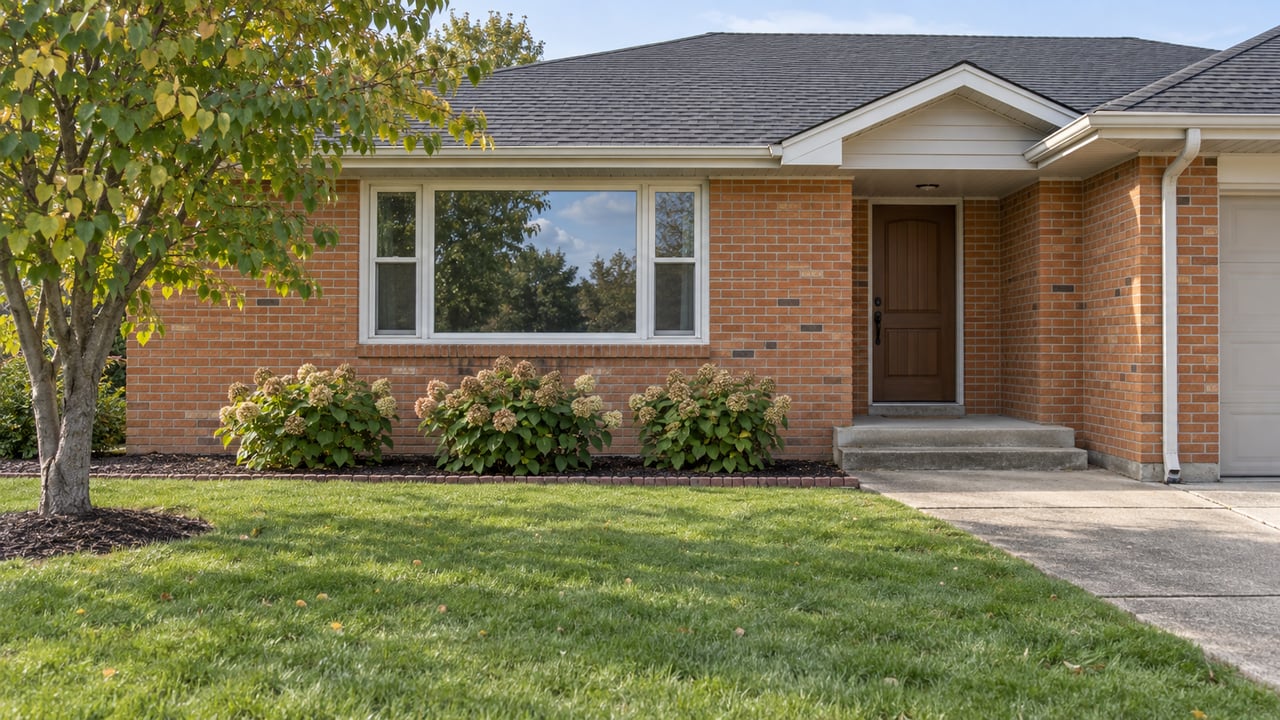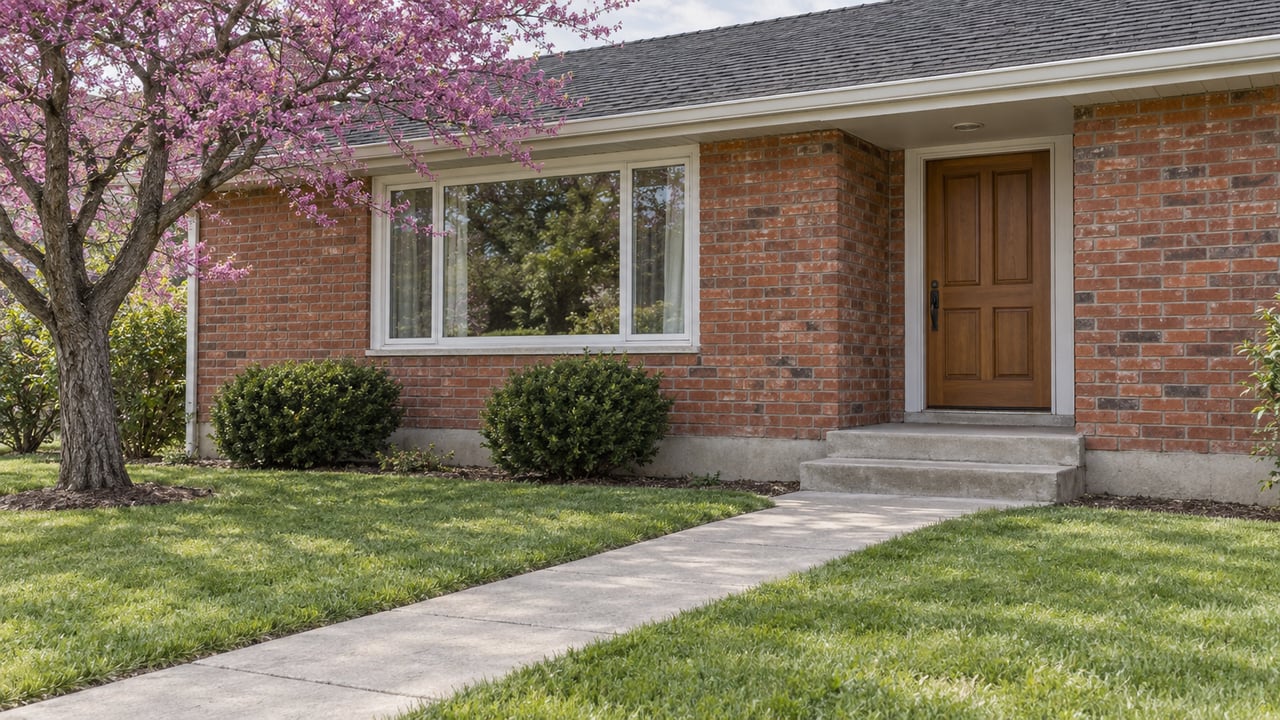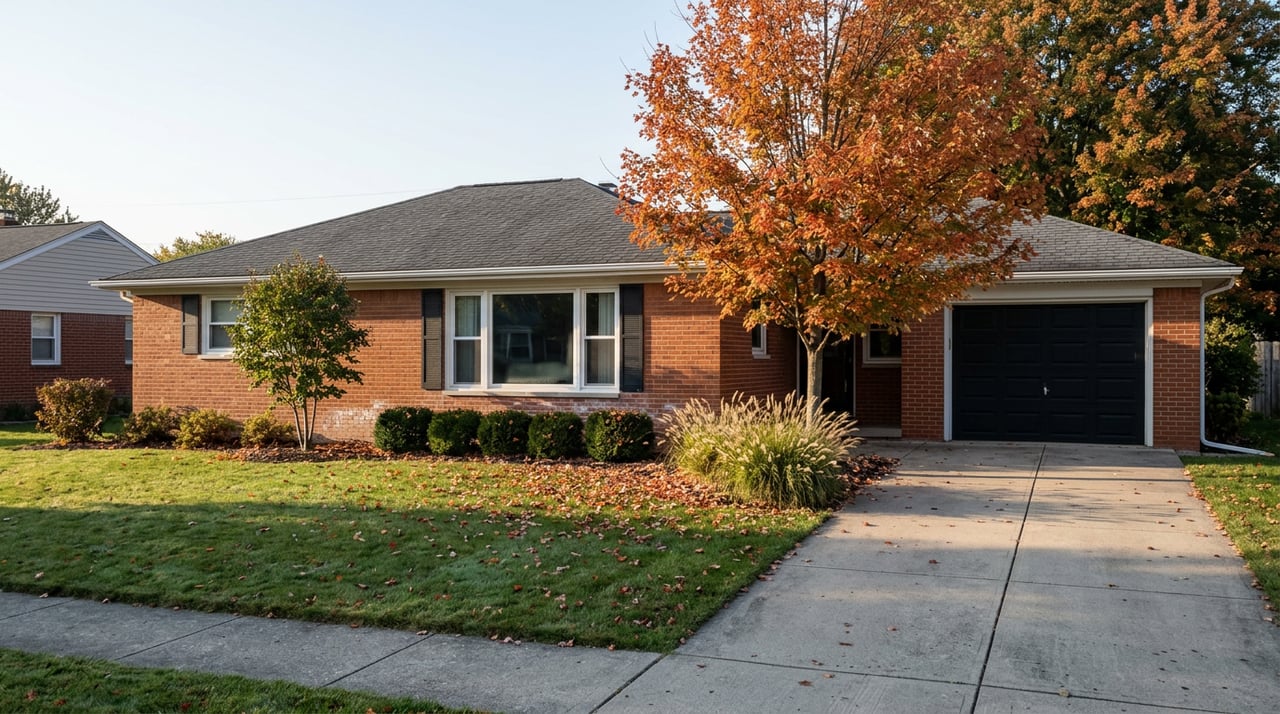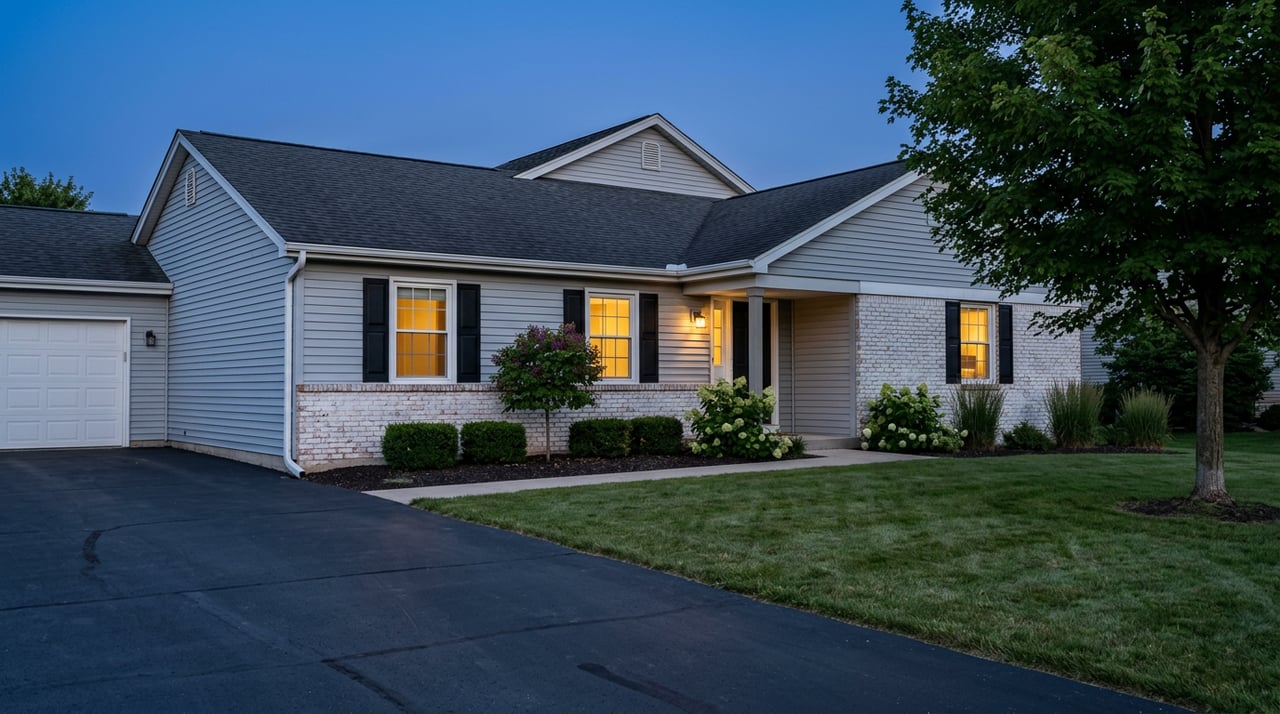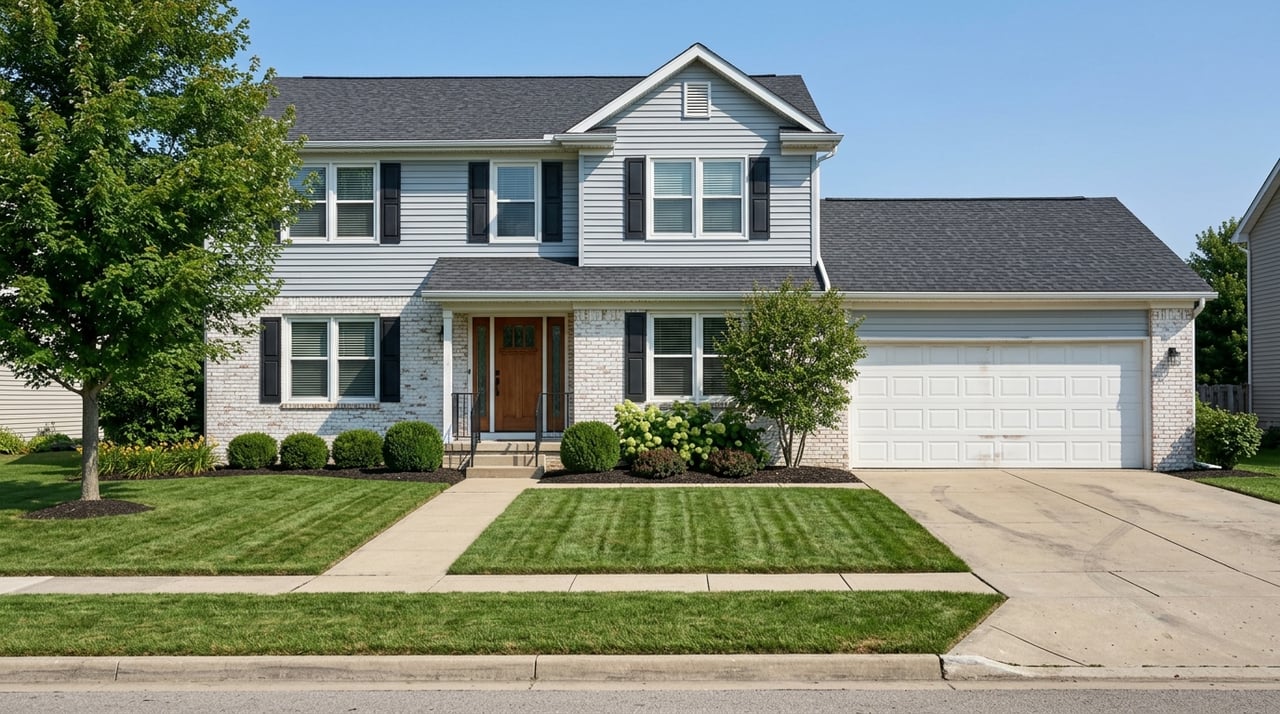
Thinking about a move in Brownsburg and not sure whether an older street near downtown or a newer subdivision fits you better? You are not alone. For many buyers, the real question is not just price or square footage, but how a neighborhood feels day to day, how it connects to your commute, and what kind of housing choices are actually available. This guide will help you understand how Brownsburg neighborhoods range from classic streets to new builds so you can compare your options with more confidence. Let’s dive in.
Brownsburg offers more than one neighborhood style
Brownsburg has been growing quickly, and that growth shows up in its housing choices. The town’s 2024 population estimate was 33,430, which is up 15.2% from the 2020 census count of 28,973. The same Census profile shows a 75.1% owner-occupied housing rate, a median owner-occupied home value of $309,400, a median household income of $102,235, and a mean travel time to work of 24.2 minutes.
Those numbers help explain why so many buyers look closely at Brownsburg. You are seeing a town with steady demand, a strong ownership base, and a location that supports everyday commuting. At the same time, Brownsburg is not built around one single housing pattern, which is why neighborhood-by-neighborhood comparisons matter.
Classic neighborhoods near downtown
If you are drawn to older homes, more established streets, and closer-in amenities, the downtown core is usually where that story begins. Brownsburg’s Unified Development Ordinance describes the Traditional Residential district as housing in the downtown area and surrounding core, with Main Street-style single-family detached homes on smaller lots mixed with small duplexes and single-family attached homes.
In practical terms, that often means a more compact neighborhood feel than you may find on the edges of town. These areas tend to read as established rather than newly planned. Brownsburg’s comprehensive plan also emphasizes protecting residential neighborhoods, supporting redevelopment, and encouraging infill, which helps preserve the character of the older core.
What stands out in the classic core
The appeal here is often about connection and convenience. Brownsburg’s older core has strong ties to downtown, parks, and trails rather than a typical large-lot subdivision layout.
Amenities that help define this part of town include:
- Downtown Brownsburg
- Arbuckle Acres Park
- White Lick Creek Greenway
According to Brownsburg Parks, the White Lick Creek Greenway connects the north side of I-74 to Arbuckle Acres Park and downtown shopping and restaurants. If you want a neighborhood where trails, parks, and the downtown area feel woven into daily life, this part of Brownsburg may deserve a closer look.
Who may prefer older streets
You may prefer the classic part of Brownsburg if you want:
- A more established streetscape
- Smaller lots closer to the town core
- Access to downtown amenities and trail connections
- A neighborhood pattern shaped over time rather than built all at once
That does not make the older core better or worse than a new subdivision. It simply offers a different kind of living experience, and for many buyers, that difference matters.
New builds and newer subdivisions
If your priority is newer construction, more recent floor plans, or subdivision-style development, Brownsburg has that too. The town’s UDO says the R2 and R3 districts are intended for newer residential subdivision development with individually platted single-family homes. In R3 districts, attached single-family homes may also be included in subdivisions platted after the current UDO.
That is important because Brownsburg’s new-build market is not limited to one type of home. Depending on the community, you may find detached homes, attached options, and a range of lot sizes and home sizes.
What newer housing looks like in Brownsburg
Recent 2025 permit records show active new structures in communities such as:
- Auburn Ridge
- Oakdale
- Fairview West
- Trailside Townhomes
- Westbranch
- Forest Hill
- Promenade
Those permit records show homes ranging from about 1,936-square-foot townhomes to roughly 4,010-square-foot single-family homes. That range gives you a useful snapshot of what newer construction can look like in Brownsburg, from lower-maintenance attached living to larger detached homes.
Edge-of-town growth patterns
Some of Brownsburg’s newer housing is taking shape in planned growth areas on the edges of town. One zoning amendment for a Garner Road and East County Road 700 North project proposed 61 single-family lots ranging from 9,000 square feet to just over 15,000 square feet, along with common areas, ponds, and a preserved wooded area.
This is a good example of how newer neighborhoods may differ from older streets near downtown. Instead of a compact, historic pattern, you may see a more planned layout with shared open space, utility-ready land, and modern subdivision standards. Brownsburg’s comprehensive plan supports this approach by directing new neighborhoods toward areas already served by infrastructure or areas where services can be extended.
How to compare classic homes and new builds
When you start narrowing down neighborhoods, it helps to compare them through a few real-world lenses instead of broad assumptions. Brownsburg’s housing choices can look similar on paper, but your daily routine may feel very different depending on where you live.
Think about your commute first
Brownsburg’s official location information identifies U.S. 136 as the main east-west corridor, State Road 267 as the major north-south corridor, and Interstate 74 as the highway with two local interchanges. Ronald Reagan Parkway also connects Brownsburg from I-74 to I-70 and the Indianapolis International Airport.
That means neighborhood location can shape your routine as much as the home itself. If you commute often, test how a specific area connects to the roads you use most. Brownsburg’s mean travel time to work is 24.2 minutes, but your personal drive time can vary based on which side of town you choose.
Look at lot style and neighborhood layout
Older streets near downtown often reflect a more compact pattern with smaller lots and a closer relationship to the historic core. Newer subdivisions are more likely to offer platted lots, common areas, ponds, and a layout designed all at once.
Neither option is automatically the right one. The best fit depends on whether you want established surroundings and central access or newer development patterns and more recent construction.
Verify school placement by address
For buyers comparing Brownsburg neighborhoods, school assignment is one of the most important details to verify early. Brownsburg Community School Corporation states that its boundary maps are for elementary and middle school boundaries, that final placements are made by the registrar, and that newly constructed neighborhoods may be assigned by section.
If you are looking at a newer subdivision or a build-to-order home, do not assume the assigned school based on a community name alone. Verify school placement by the specific address when possible. That extra step can save you a lot of confusion later.
Parks, trails, and daily convenience
Amenities often tip the scale when you are choosing between neighborhoods. Brownsburg’s quality-of-life profile notes more than 300 acres of parkland and 20 miles of trails. The B&O Trail, White Lick Creek Greenway, and the Arbuckle Acres and Williams Park trail system all add to the town’s outdoor recreation options.
If access to trails and parks is part of your lifestyle, map those features against the neighborhoods you are considering. In some cases, an older area near downtown may put you closer to established trail connections. In others, a newer community may place you near newer growth areas with evolving retail and service options.
Daily errands are part of the equation too. Brownsburg is also moving ahead with a proposed second Kroger within the Heritage Hills planned unit development on the south side, which shows how residential growth and shopping convenience are continuing to develop together.
A smart way to choose in Brownsburg
The right Brownsburg neighborhood usually comes down to how you want to live, not just what style of house you like online. If you want an established setting with stronger ties to downtown, parks, and the trail network, the classic core may feel right. If you want newer construction, modern subdivision planning, or attached-home options in newer communities, you may lean toward the town’s newer developments.
A good next step is to compare neighborhoods based on four basics:
- Commute routes
- Housing type
- Lot and layout style
- Verified school assignment by address
That kind of side-by-side review can help you avoid guesswork and focus on what fits your routine, goals, and timeline. Whether you are relocating, moving up, or simply trying to understand Brownsburg better, clear local guidance can make the search much easier.
If you want help comparing Brownsburg neighborhoods based on your budget, timeline, and lifestyle, connect with Home Strategy Group for a personalized market consultation.
FAQs
What types of neighborhoods are available in Brownsburg, Indiana?
- Brownsburg includes older neighborhoods near the downtown core with smaller lots and established streets, along with newer subdivisions that offer detached homes, attached options, and more recent community layouts.
What is the difference between older Brownsburg neighborhoods and new-build communities?
- Older Brownsburg neighborhoods near downtown often feel more compact and connected to parks, trails, and the town core, while newer communities are typically planned subdivisions with newer homes, common areas, and modern lot standards.
What new-build communities are active in Brownsburg?
- Recent 2025 permit records show activity in communities including Auburn Ridge, Oakdale, Fairview West, Trailside Townhomes, Westbranch, Forest Hill, and Promenade.
How should buyers compare Brownsburg neighborhoods for commuting?
- Buyers should compare how each neighborhood connects to U.S. 136, State Road 267, Interstate 74, and Ronald Reagan Parkway, since road access can affect your daily routine even when homes are similar.
Why should buyers verify school placement in Brownsburg by address?
- Brownsburg Community School Corporation states that final placements are made by the registrar, and newly constructed neighborhoods may be assigned by section, so school placement should be confirmed by the specific address rather than assumed.
What amenities should buyers look for in Brownsburg neighborhoods?
- Buyers often compare access to amenities such as downtown Brownsburg, Arbuckle Acres Park, the White Lick Creek Greenway, the B&O Trail, and other parks and trails across the town’s more than 300 acres of parkland and 20 miles of trails.