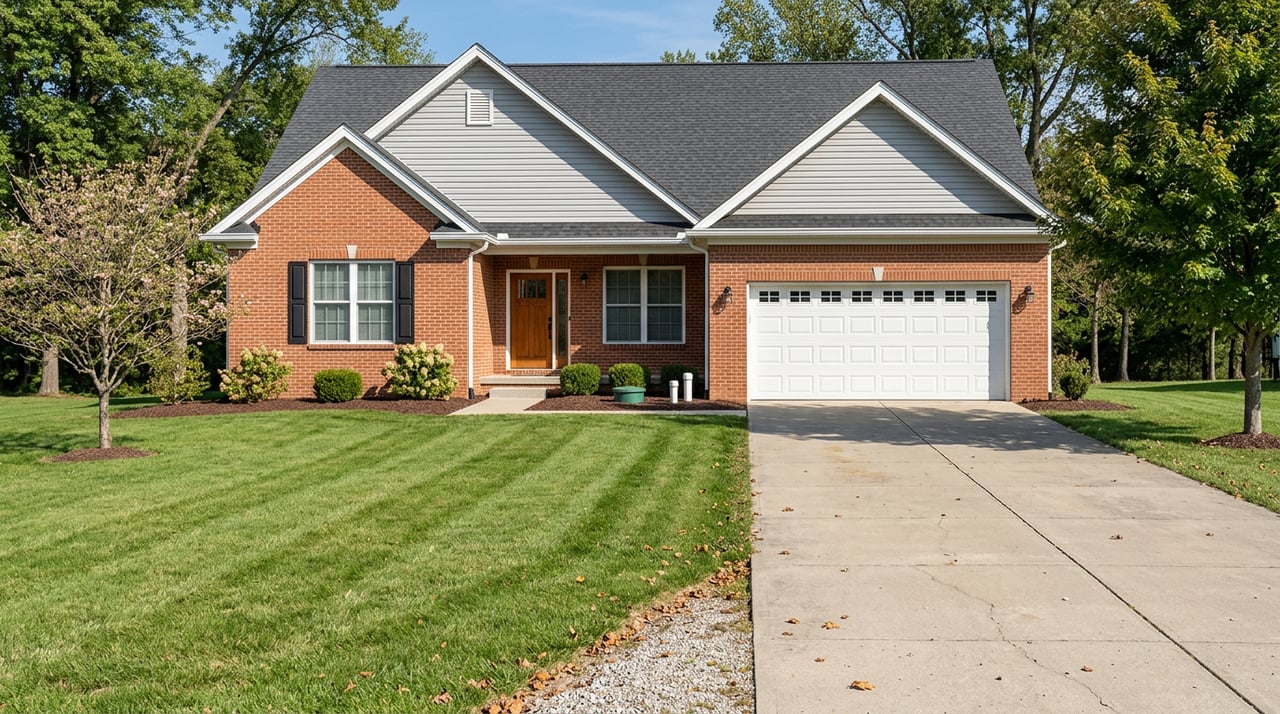
Thinking about buying a few acres in Bargersville for a homestead, hobby farm, or quiet estate? The dream is real, but rural property has different rules than a standard subdivision lot. Zoning, wells, and septic systems can make or break your plans, and the requirements change depending on whether you are inside the Town of Bargersville or in unincorporated Johnson County. In this guide, you’ll learn the key checks, permits, and red flags to watch so you can move forward with confidence. Let’s dive in.
Confirm the rules: town or county
Start by confirming if the parcel sits inside the Town of Bargersville or in unincorporated Johnson County. The Town follows its Unified Development Code, while the County has its own planning and health processes. This one check shapes almost everything that follows, including whether public water and sewer are required. You can review the Town’s standards in the Bargersville Unified Development Code (UDO), which outlines zoning, setbacks, and permitting for rural parcels. See the adopted standards in the Town’s UDO for details on districts, setbacks, driveway rules, and utility connections.
- Reference: Review the Town’s standards in the Bargersville Unified Development Code for zoning, setbacks, driveway rules, and utility connections. The UDO is available in the Town’s document center: Bargersville Unified Development Code.
Zoning basics for acreage
Inside town limits, the rural districts most relevant to acreage buyers are AG (Agricultural) and R-R (Rural Residential). The UDO shows a 2-acre minimum lot size, about 200-foot minimum lot width, and large setbacks in these districts, including a 100-foot front setback for residential uses. Density typically tops out near 0.5 units per acre. New residential dwellings inside the Town are generally required to connect to municipal water and sanitary sewer when available, with a possible waiver in limited cases noted by the Town.
If you want animals or outbuildings
If you plan to keep horses, run a stable or kennel, or add large accessory buildings, confirm the specific use standards before you commit. The UDO sets minimum lot areas and may require buffers or extra setbacks for certain agricultural uses. These conditions can affect how many animals you may keep and where a stable or barn can go on the site.
Covenants and recorded restrictions
Zoning tells you what is allowed, but private covenants can be stricter. Many acreage subdivisions limit animals, outbuildings, fencing, or business activity even when zoning would allow it. Ask for the title commitment early and read the recorded covenants and easements. You can also search recorded documents through the Johnson County Recorder’s office: Johnson County Recorder.
Septic systems: what to verify
Most acreage outside sewer service relies on an onsite sewage system. Suitability depends on soils, depth to seasonal high water, slopes, and space for safe separation from wells and streams. Your goal is to confirm that the lot can support a conforming system and to understand any cost drivers.
Sizing and separation basics
Indiana’s residential onsite sewage rule uses a design daily flow of 150 gallons per day per bedroom to size systems. The rule also sets critical separation distances from wells, property lines, and surface water. These tables guide where a septic tank and absorption field can go and how large they must be. See Indiana’s residential onsite sewage rule for technical standards and separation tables: ISDH Rule 410 IAC 6-8.3.
Permitting steps in Johnson County
Counties implement the state rule and issue local permits. In Johnson County, the process typically includes a site and soil evaluation by a registered soil scientist, a system design submittal, a permit application, installation by a registered installer, and a final inspection. You will need a site plan and bedroom count for sizing. Forms, procedures, and a list of approved professionals are available through the County’s document center: Johnson County Environmental Health — Septic Forms & Procedures.
Common red flags and cost drivers
Watch for shallow bedrock, high seasonal water tables, poorly draining clay soils, and steep slopes. These often require engineered alternatives such as mound systems or advanced treatment units, which increase cost and can affect resale. Layout challenges on small or irregular lots can also add pipe runs and grading work. The state rule allows alternative systems when required by soil conditions, but they need engineered designs and local approvals.
Private wells and potable water
If the parcel is not served by municipal water, you will need a private well. Your due diligence is to confirm water availability, verify the well’s construction and performance, and test water quality.
Find the well record and yield
Ask the seller for the well log, pump test data, total depth, and maintenance history. Indiana requires licensed drillers to file a well record with the DNR Division of Water, and those records can often be searched by location. Use the DNR’s guidance to learn how well records work and what is filed in Indiana: Indiana DNR Division of Water — Well Records FAQ.
Test the water
Order baseline lab tests for coliform bacteria and nitrates for any existing well, and consider a broader panel as recommended for homeowners. Purdue Extension outlines what to test and how often to retest so you can monitor water quality over time: Purdue Extension guide to well water testing.
Know that water availability varies
Groundwater is not uniform across the county. Johnson County health documents caution that “water availability is scarce in parts of Johnson County,” which is a buyer red flag. If drilling is needed, talk with local licensed drillers about typical depths and yields in that area and budget for potential re-drilling or treatment. See the County’s septic and land use guidance, which notes this concern: Johnson County Environmental Health — Permitting Procedure.
Access, driveways, and utilities
Plan for how you will legally access the property and where your driveway will go. Inside town limits, an Improvement Location Permit is required before establishing a use on the land, and the UDO outlines driveway spacing and design standards. If your parcel fronts a county or state road, you may need separate entrance or culvert permits from the County Highway Department or INDOT. For project planning, you can connect with the Town’s Department of Development: Town of Bargersville — Business & Development.
Utility availability is the single biggest factor that changes your path. The UDO notes that new residential units inside town are generally required to connect to municipal water and sanitary sewer when available, with limited waiver potential. Confirm service boundaries and tap fees early so you know whether you will be on public utilities or must plan for a well and septic.
Buildability, flood, soils, and resale
Floodplain or wetland constraints can limit where you can place foundations and private utilities, and can drive engineering and insurance costs. The Town’s UDO incorporates FEMA flood maps and state flood data, so check the flood sections in the UDO and review base maps during your first pass. For soils, start with the NRCS Web Soil Survey to screen for limitations, then follow up with on-site borings by a registered soil scientist. Online maps help you spot potential issues, but only on-site evaluations can confirm septic feasibility and footing needs. Use the NRCS tool for your first-cut soils map: NRCS Web Soil Survey.
Difficult soils, long private drives, conservation easements, and odd lot shapes can also affect marketability and financing. Lenders may ask for specific well and septic inspections, and insurers sometimes set conditions for properties in or near flood zones. Talk with your lender early so you understand any added requirements.
Buyer checklist: 10 steps before you commit
Use this quick plan to structure your due diligence and contract strategy.
Confirm the jurisdiction. Verify if the property is inside the Town of Bargersville or unincorporated Johnson County, since rules and utility requirements differ.
Gather existing records. Ask the seller for any well log, pump test, recent water test results, septic permits or as-builts, soil reports, or prior engineering. If none exist, budget to order them.
Order a boundary survey and title commitment. Review for recorded easements, covenants, access rights, and right-of-way dedications that could limit your intended use.
Run a first-pass screen. Check soils using NRCS Web Soil Survey and review flood sections in the Town’s UDO. If you see flags or the lot is near water, schedule a registered soil scientist for on-site borings.
Map your septic path. In Johnson County, expect a soil evaluation, system design, permit application, installation by a registered installer, and final inspection. Be ready to document bedrooms for system sizing.
Verify water supply. For an existing well, obtain the well record and recent lab tests. If you need a new well, consult licensed drillers about typical depths and yields in the area.
Plan access and driveways. Confirm driveway standards and any required entrance or culvert permits. Check for private road maintenance agreements if access is shared.
Confirm utility availability. Inside town, new homes are generally required to connect to municipal water and sewer when available. If taps are not available, ask the Town about any waiver process.
Get written estimates. Price out septic options, well drilling plus pump and treatment, driveway and culvert work, grading, and utility extensions. Use these numbers to shape your offer.
Protect yourself with contingencies. Include septic site approval, acceptable well yield and water test results, and satisfactory survey and title in your purchase agreement.
Local contacts and resources
- Town of Bargersville — Department of Development and UDO
- Johnson County Health Department — onsite sewage permits and procedures
- Johnson County Recorder — covenants, easements, and recorded instruments
- Indiana DNR, Division of Water — licensed well drillers and well records
- ISDH Residential Onsite Sewage Systems Rule 410 IAC 6-8.3
- NRCS Web Soil Survey for a first-cut soils map
Buying acreage can be a smart move when you go in with clear eyes and the right plan. Confirm your jurisdiction, study the UDO or county rules, and front-load your due diligence on soils, well, and septic. That preparation helps you avoid costly surprises and gives you leverage at the offer stage. If you want a friendly, expert walkthrough of a specific parcel and a tailored plan, request your personalized market consultation with Home Strategy Group.
FAQs
What zoning applies to acreage in Bargersville, Indiana?
- If the parcel is inside town limits, the Bargersville UDO applies and common rural districts are AG and R-R, which include 2-acre minimums and large setbacks; outside town, Johnson County rules apply.
Do new homes inside the Town have to connect to public utilities?
- The UDO states that new residential dwellings are generally required to connect to municipal water and sanitary sewer when available, with a possible waiver in limited cases.
How are septic systems sized for homes in Johnson County?
- Indiana’s rule uses 150 gallons per day per bedroom to size residential systems, with final design and approval handled through Johnson County’s septic permitting process after a soil evaluation.
How do I find a well record for a property?
- Ask the seller for the well log and pump test, and search the Indiana DNR well record database; licensed drillers must file a record after completion, which helps verify depth and construction.
Is groundwater availability a concern in Johnson County?
- Yes; county documents note that water availability is scarce in parts of Johnson County, so consult local licensed drillers on typical depths and yields and budget for potential alternatives.
What contingencies should I include when buying acreage?
- Common protections are septic site approval or acceptable soil tests, satisfactory well yield and water quality results, and a clean survey and title that confirm legal access and allowed uses.