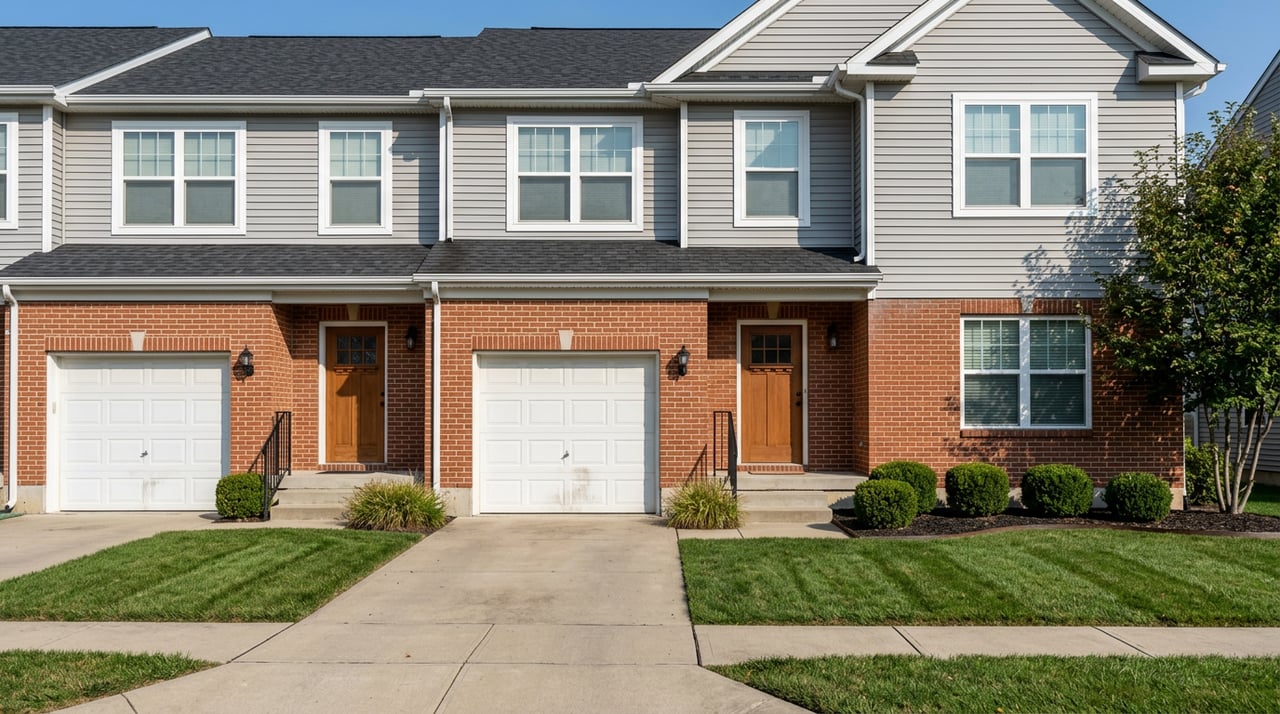
Thinking about a low-maintenance place in Greenwood where you can lock the door and go live your life? Condos and townhomes can be a smart fit, whether you are buying your first home, downsizing, or investing. Still, the details matter. Ownership type, HOA rules, financing, and fees can change your monthly costs and your long-term returns. In this guide, you will learn how Greenwood condo and townhome living works, what HOA fees usually cover, how prices compare, and what to check before you write an offer. Let’s dive in.
What you own: condo vs. townhome
Buying a condo means you own your individual unit plus a share of the common areas. Indiana’s Condominium Act defines this structure and requires a recorded declaration and bylaws that outline everyone’s rights and obligations. If you want the legal detail, review the state definition of a condominium unit in Indiana Code Title 32, Article 25.
A townhome is an architectural style, not a single legal form. In Greenwood you will see two primary versions:
- Fee-simple townhome: You own the land and the structure. Exterior upkeep is often your job unless the HOA documents say otherwise.
- Condo-style townhome: The building is set up under a condominium regime. The HOA may handle exterior elements like the roof and siding, and you own the unit interior plus a share of common areas. The declaration spells this out.
The key takeaway: your responsibilities come from how the property is deeded and what the governing documents say, not from the word “townhome” on a listing.
HOA basics in Indiana
Indiana has statutes for both condominiums and homeowners associations. These laws set broad rules for records, budgets, and member rights, but your first stop should always be the recorded declaration and bylaws for the specific community. If you want to see the state framework for HOAs formed after mid-2009, review Indiana’s HOA statutes under Article 25.5.
What HOA fees usually cover
HOAs typically pay for common-area maintenance and shared services. That can include landscaping, snow removal on private drives, trash service, private roads, lighting, management, and the association’s master insurance policy. Amenities like a pool or clubhouse add cost. For a broad overview of common practices, see the Community Associations Institute’s homeowner resources at CAI.
Greenwood fee examples and ranges
Local listings often show HOA dues in the 200 to 300 dollars per month range. In Greenwood, older condo communities have shown fees around the low 200s, sometimes including exterior maintenance, lawn care, trash, and even water. Newer attached communities with more amenities or HOA-placed building insurance commonly run closer to the mid-to-high 200s. The exact number depends on what the association covers and the age and complexity of the property.
Insurance: master policy vs. HO-6
Most associations carry a master policy that insures common elements and, in some cases, the building shell. You will still need your own condo policy, called an HO-6, to cover interior finishes, personal property, improvements, and liability. Ask for a summary of the master policy to confirm whether it is bare-walls, walls-in, or all-in coverage. For a plain-language overview of how condo insurance works, review this condo insurance guide.
Reserves and special assessments
Healthy reserve funds reduce the risk of special assessments for big-ticket items like roofs, siding, and paving. Ask whether the association has a current reserve study and how reserves are funded in the annual budget. A quick primer on why reserve studies matter is available here: understanding reserve studies.
Prices and rent in Greenwood
Recent sources show Greenwood’s citywide median home price ranging roughly 300,000 to 345,000 dollars depending on the dataset and date reported. For example, one late-2025 report cited 345,000 dollars, while an early-2026 snapshot showed about 300,000 dollars. Townhomes have typically listed and sold below that, with aggregator snapshots placing many Greenwood townhomes near 270,000 to 280,000 dollars. Always use current local MLS data for your specific zip code, since results can vary between 46142 and 46143.
If you are investing, citywide rent snapshots have landed around 1,830 dollars per month. That is a helpful baseline to start a pro forma, but you should verify rent comps by neighborhood and factor in HOA dues, insurance, and a vacancy allowance.
Property taxes also affect your monthly picture. Johnson County’s effective rates often land near about 1 percent of market value, but your bill is based on assessed value and any exemptions you qualify for. You can review county-level property tax trends at this Indiana property tax resource.
Who benefits most from attached living?
First-time buyers
You may secure a lower entry price and spend less time on maintenance. Confirm loan eligibility early if you plan to use FHA or VA. HUD provides current guidance and tools on condo approvals and single-unit approvals at HUD’s FHA info page.
Downsizers
You gain a smaller footprint and a “lock-and-leave” lifestyle. Read the rules for any limits on exterior changes, patio improvements, or accessibility modifications you may want to make.
Investors
Check rental policies closely. Caps, minimum lease terms, and screening rules can shape returns and resale pool. A good legal explainer on rental restrictions is here: condo rental rules overview.
Financing and approvals
Financing for condos and condo-style townhomes can hinge on the association’s health. FHA and VA loans look at factors like owner-occupancy, delinquencies, reserves, and litigation. Even with FHA single-unit approvals, the building’s financials still matter. Start this check before you fall in love with a unit by visiting HUD’s FHA information and asking your lender what they need.
Due diligence checklist for Greenwood buyers
Make your offer contingent on reviewing key HOA documents when possible. Ask the seller or association for:
- Recorded declaration or CC&Rs, the plat, and any amendments that define unit boundaries and responsibilities.
- Current bylaws and any community rules or architectural guidelines.
- The most recent budget, year-to-date financials, and bank statements for operating and reserves.
- The latest reserve study and any board-approved capital project list for the next 5 years.
- An estoppel or resale certificate that shows dues status and any pending or recent special assessments.
- The master insurance certificate and summary of coverage, including whether it is bare-walls, walls-in, or all-in.
- Board meeting minutes from the last 6 to 12 months and any litigation disclosures.
- The rental policy, plus current owner-occupancy and rental percentages.
- The management contract and major vendor contracts, if applicable.
- Any developer transition documents if the community is newer or still under transition.
Local planning and PUDs
Many modern townhome communities are built under a Planned Unit Development. In Greenwood, PUDs use a master plan and recorded commitments that often require an HOA for common areas and open space. If the property sits in a PUD, your responsibilities will be in the recorded PUD documents and the association’s declaration. For code context, review Greenwood’s Unified Development Ordinance resources via Zoneomics’ code library.
Red flags to watch
- No reserve study or very low reserves for an older building. See why reserves matter in this reserve study overview.
- Repeated or large special assessments without a clear long-term funding plan.
- High assessment delinquencies or hints of major litigation in recent meeting minutes.
- Rental rules that conflict with your goals or a very high investor concentration if you prefer an owner-occupied environment. A legal overview of rental limits is available here.
Your next step
If condo or townhome living fits your lifestyle, the right unit and the right association can make Greenwood feel effortless. We can help you compare communities, read the documents, and align financing with your plan so you feel confident before you offer. Ready to take the next step? Request your personalized market consultation with Home Strategy Group.
FAQs
What is the main difference between a Greenwood condo and a townhome?
- A condo is ownership of a defined unit plus shared common elements under Indiana’s condo law, while a townhome can be fee-simple or condo-style. Your duties come from the recorded declaration and bylaws.
How much are typical HOA fees for Greenwood condos and townhomes?
- Many local examples fall around 200 to 300 dollars per month, with older communities often lower and newer, amenity-rich or structure-covering HOAs higher. Always confirm what services and insurance are included.
What insurance do I need if the HOA has a master policy?
- You will still need an HO-6 condo policy for interior finishes, improvements, personal property, and liability. Ask for the master policy summary to learn exactly what it covers.
Why do FHA and VA approvals matter for Greenwood condos?
- FHA and VA loans review the association’s occupancy, reserves, delinquencies, and litigation. Approval can affect your loan options and the future buyer pool. Check early with your lender and HUD’s resources.
What are the biggest HOA red flags to look for before buying?
- Missing or outdated reserve studies, low reserves, repeated special assessments, high delinquencies, unclear insurance coverage, or rental caps that do not match your goals are all signals to pause and investigate.
How do Greenwood property taxes affect my condo or townhome payment?
- Johnson County’s effective rates often run near about 1 percent of market value, but bills are based on assessed value and exemptions. Verify taxes with the county assessor before you finalize your budget.