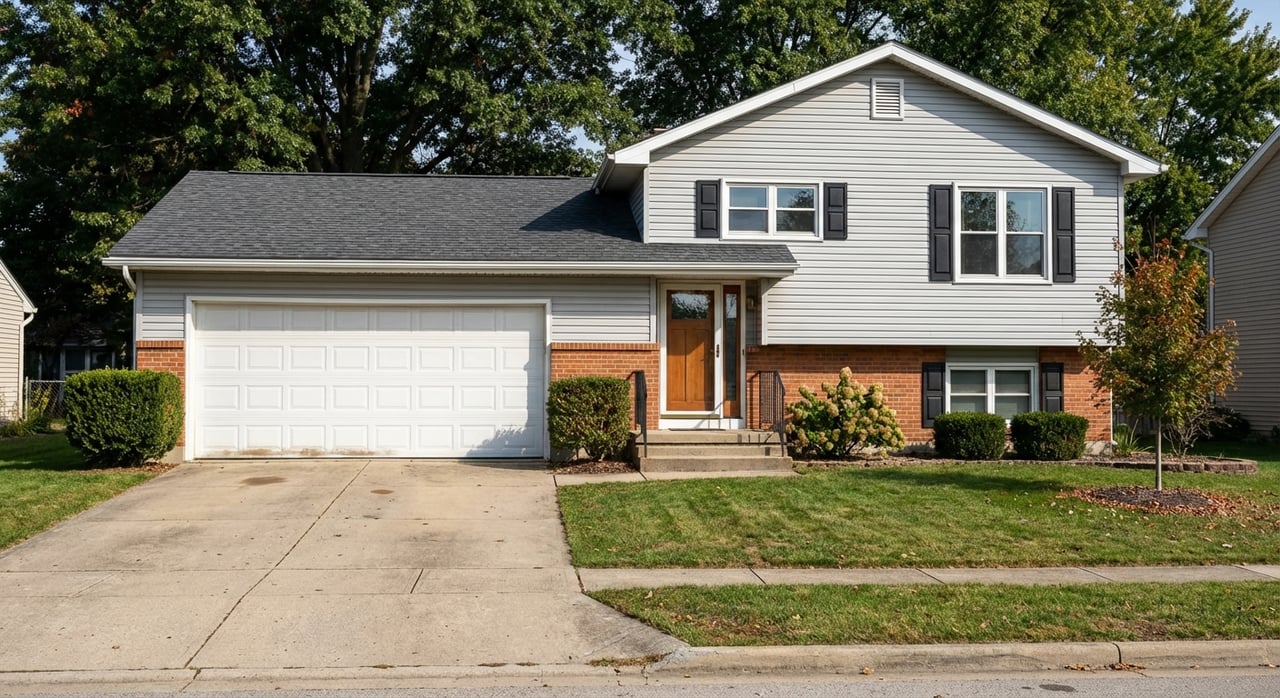
Relocating to Plainfield for a corporate transfer can feel like juggling timelines, budgets, and big decisions all at once. You want a smooth landing, a manageable commute, and a smart plan for housing that fits your life. This guide gives you practical, Plainfield-specific steps to help you move with confidence — from commute checks to housing costs, school enrollment, and how to use your relocation benefits. Let’s dive in.
Plainfield at a glance
Plainfield is a west-side Indianapolis suburb with immediate access to major highways and the airport. The town’s estimated population is about 37,800 as of July 1, 2024, according to the latest U.S. Census QuickFacts. You will use I-70, US-40, I-465, and State Road 267 for most commutes. The location works well if you travel often or support airport and logistics operations.
Commutes and airport access
Indianapolis International Airport (IND) is typically a 10–20 minute drive from central Plainfield, depending on route and traffic. You can confirm real-time drive estimates using live mapping; for a baseline, see this Plainfield-to-IND drive time reference. Downtown Indianapolis is commonly 15–30 minutes in normal conditions. Plan a test drive during your expected work hours to check peak times.
Nearby employment hubs
If your role is tied to aviation, distribution, or logistics, Plainfield’s proximity to Indianapolis International Airport is a key advantage. The airport campus supports major cargo activity and related employers that draw local talent. For airport background and public resources, visit Indianapolis International Airport. Many transferees also commute to downtown Indianapolis for healthcare, finance, tech, and public-sector roles.
Housing and rental snapshot
Based on recent market indicators, Zillow reports an average Plainfield home value around $323,729 through January 31, 2026. Homes often go under contract in about 4–7 weeks, with Zillow noting roughly 38 days to pending and Redfin reporting about 51 days to close on average. You can usually move thoughtfully, but well-priced homes still draw attention quickly. If you plan to rent first, the average apartment rent is about $1,550 per month, according to RentCafe’s Plainfield report.
Plan your timeline
A financed home purchase in the U.S. typically closes in 30–45 days from contract, per Credible’s mortgage timeline overview. Pair that with local market speed, and a realistic end-to-end plan in Plainfield is 45–75 days from search start to keys in hand. Cash or highly prepared buyers may move faster. Build in buffer time if you are coordinating a same-time sale, relocation benefits, or specialty financing.
Neighborhood starting points
Many transferees start near the Historic Downtown/Main Street corridor for close-by amenities and quick airport access. Others look near The Shops at Perry Crossing for retail and dining options, or in subdivisions north and east of US-40 for straightforward commuter routes. Some transferees also consider nearby Hendricks County towns like Avon and Brownsburg, based on commute and lifestyle preferences. Tour during your expected commute to see how each area fits your schedule.
Schools and enrollment basics
Plainfield is primarily served by the Plainfield Community School Corporation (PCSC). Always verify a home’s attendance zone directly with the district before you write an offer, since boundary lines can shift. Start with the district’s site for contacts and updates at the Plainfield Community School Corporation. If schools are a top priority, consider including a clear enrollment contingency in your purchase contract.
Taxes and carrying costs
Hendricks County’s effective property tax rate is generally moderate compared to many higher-cost metros, with median payments in the low thousands annually. Exact rates vary by address and taxing units. For certified tax rates and budget details, use official county resources at Hendricks County government. Factor property taxes, insurance, utilities, and any HOA dues into your total monthly cost.
Use your relocation benefits
Common corporate benefits include house-hunting trips, temporary housing, home-sale programs such as Guaranteed Buyout or Buyer Value Option, closing cost support, and lump sums. Policy caps and rules vary, and employers often partner with a Relocation Management Company. You can review the structure of typical programs in sample corporate policy exhibits. Many relocation payments are taxable; ask HR how reimbursements are handled and whether you receive a tax gross-up. For an overview of tax treatment, see this guide to relocation tax implications.
48-hour Plainfield house-hunting plan
- Day 1 morning: Strategy meeting. Align on budget, must-haves, and top-three neighborhoods. Review your relocation policy, timing, and any sale-to-purchase dependencies.
- Day 1 midday: Targeted showings. Tour 6–8 homes that match your commute, price, and layout needs. Note potential repair items and HOA rules.
- Day 1 evening: Commute testing. Drive from two favorites to your worksite at your expected start or end time. Map school and childcare stops.
- Day 2 morning: Second looks. Revisit the best two or three homes. Call your lender to refresh payment estimates and key numbers.
- Day 2 midday: Offer strategy. Review disclosures, recent comparables, inspection approach, and timing with your agent. If the home fits, write a clean, policy-aligned offer with clear contingencies.
Quick checklist and timing
- Before you arrive: Secure a mortgage pre-approval and share your relocation policy with your agent. Confirm whether you have temporary housing or a lump-sum budget.
- House-hunting trip: Plan 2–3 focused days of tours, commute tests, and school visits. Reserve time for a lender consult and inspection Q&A.
- Under contract: Expect appraisal and underwriting to take 30–45 days, per Credible’s mortgage guide. If you have a Guaranteed Buyout or BVO, obtain written rules for inspections, repairs, and pricing well in advance.
- Move-in: Coordinate possession, utility transfers, and any employer housing overlap to avoid double costs.
Rent or buy first?
If inventory is tight or you need time to explore neighborhoods, a 30–90 day rental can keep you flexible while you shop. Rental approvals often move quickly, sometimes within 24–72 hours when documents are ready, and most property managers can process applications inside a week. If your employer covers bridge options or supports a quick purchase, buying early may be the right call. Weigh policy support, market speed, and your family’s timeline.
How we support your transfer
You deserve a plan that fits your role, your commute, and your life. Our consultative, relocation-savvy approach focuses on clarity, timing, and value protection. From targeted tours and commute testing to policy-aware offer strategies, we guide you step by step so you can move with confidence. Ready to map your next move in Plainfield? Request your personalized market consultation with Home Strategy Group.
FAQs
What is Plainfield’s commute to IND and downtown?
- Expect roughly 10–20 minutes to IND and 15–30 minutes to downtown Indianapolis in normal traffic. Always test your specific route during your expected work hours.
What are Plainfield’s typical home prices?
- Recent indicators show an average home value near $323,729. Actual prices vary by neighborhood, age, condition, and lot size.
How fast do homes sell in Plainfield?
- Recent data shows homes often go under contract in 4–7 weeks. Well-prepared buyers usually have time to inspect and negotiate, but competitive listings can move faster.
Which school district serves most of Plainfield?
- The Plainfield Community School Corporation serves most of the town. Always verify a home’s address against current district boundaries before writing an offer.
What should I budget for property taxes?
- Hendricks County’s effective property tax rate is generally moderate. Exact amounts depend on the property’s address and local taxing units.
Should I rent short term before buying?
- If your policy includes temporary housing or a lump sum, a 30–90 day rental can reduce pressure and help you choose the right neighborhood before you buy.