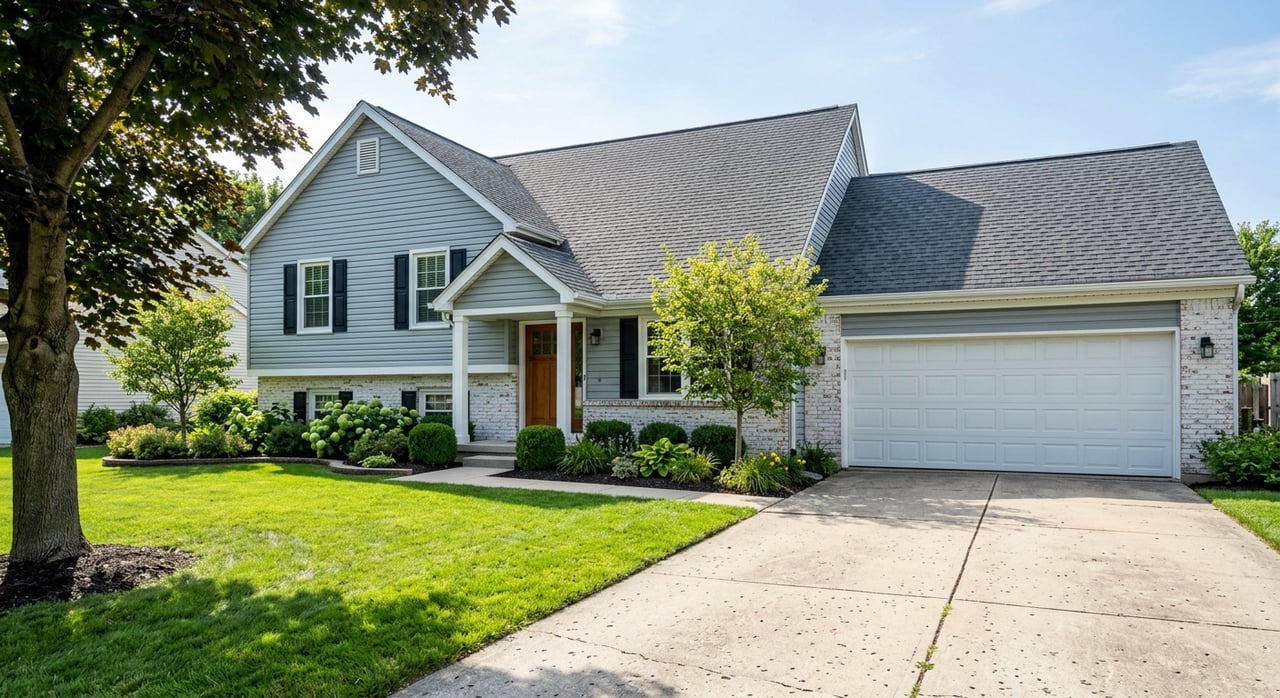
If you’re trying to sell one home and buy another in Plainfield, it can feel like you need perfect timing, perfect luck, and a very calm nervous system. The good news is that you do not need perfection. You need a clear plan for timing, money, and backup options so you can move forward with confidence. Let’s break down how to make a Plainfield move with less stress and fewer surprises.
Why timing matters in Plainfield
Plainfield is a homeowner-heavy community, with an estimated population of 37,796 and an owner-occupied housing rate of 62.3% as of July 1, 2024. The median owner-occupied home value was $280,600, which suggests many local owners may have built meaningful equity over time. For move-up buyers and sellers, that equity can create opportunity, but only if you know how and when to use it.
The local market also moves fast enough that sequencing matters. In March 2026, Redfin reported a median sale price of $330,000 in Plainfield, average time on market of 26 days, and a 97.2% sale-to-list ratio. Separate Hendricks County data for the week of April 20, 2026 showed 9 days on market, which reinforces the same point: if you are buying and selling at the same time, your plan needs to be sharp before you start writing offers.
Mortgage rates also remain part of the pressure. Indiana University’s Indiana Business Research Center reported that national forecasters expect mortgage rates to stay above 6% in 2026, while home-price growth slows further. That means it is especially important to understand your equity position and monthly comfort level before you commit to the next home.
Start with your real numbers
Before you tour homes or choose a list date, get clear on what you can actually spend. That includes your likely sale proceeds, your remaining mortgage payoff, your closing costs, and the cash you may need for the next purchase. This step is not glamorous, but it is what keeps stress from taking over later.
You should also budget for more than just the down payment. Consumer guidance recommends setting aside money for closing costs, moving costs, repairs, and even furniture if needed. Your final Closing Disclosure will show your cash to close three business days before closing, so your plan should leave enough room for real-life expenses, not just the headline sale price.
Know how much equity you can safely use
A lot of homeowners assume their home equity will solve everything. Sometimes it does help a lot, but it still needs to be handled carefully. If you use equity before your current home sells, you may be taking on another secured obligation, and that can increase your financial risk if the timing changes.
Your three main sequencing options
There is no one right way to sell and buy at the same time. The best option depends on your equity, your tolerance for risk, and how flexible your timing can be. In Plainfield’s faster-moving market, each choice comes with tradeoffs.
Sell first, buy second
This is often the simplest path if your top goal is avoiding two mortgage payments. You sell your current home, know exactly how much money you have to work with, and then buy your next home with fewer unknowns. For many households, this option creates the most financial clarity.
The challenge is the gap between closings. You may need temporary housing, storage, or a rent-back agreement if your purchase does not line up perfectly. Even so, for many sellers, this is the least stressful option from a money standpoint.
Buy first, sell later
Some homeowners choose to buy before they list their current home. This can make sense if you have strong equity, significant savings, or a very specific target home that you do not want to miss. It can also help if your moving timeline is rigid, such as a relocation or a major family transition.
The downside is obvious: you may carry more than one housing payment for a period of time. Temporary financing, second mortgages, and home equity lines can help unlock equity, but they are still secured by your home. If the payments become hard to manage, the risk is real, so this approach requires careful lender guidance and a strong backup plan.
Close almost at the same time
This is the tightrope option. In theory, you sell your current home and use those proceeds right away for your next purchase. When it works, it can be efficient and cost-effective.
When it does not, the stress level rises quickly. A final walkthrough usually happens about 24 hours before closing, and cleanup issues, repair concerns, or move-out delays can create problems at exactly the wrong moment. This strategy can work well, but it leaves little margin for error.
Why preapproval should come early
If you are buying in Plainfield, get preapproved before you start making offers. Preapproval helps you understand your budget and shows sellers that you are serious. It also gives you time to compare lenders and loan estimates without rushing a major decision.
Consumer guidance also notes that multiple mortgage credit checks within a 45-day window are generally counted as one inquiry. That means shopping lenders early is often worth it. If your purchase depends on sale proceeds, bridge financing, or a post-closing occupancy plan, your lender needs to know that before offers go out.
Contingencies can protect your move
In a competitive market, buyers sometimes feel pressure to waive protections. That can make an offer look stronger, but it also shifts more risk onto you. In a move where you are already coordinating a sale and a purchase, protections matter even more.
Inspection contingency
An inspection contingency gives you the right to review the property condition and respond if serious issues are found. If the inspection reveals major problems, you may be able to negotiate repairs or walk away under the contract terms. That safety net can be especially important when your timeline is already tight.
Financing contingency
A financing contingency protects you if your loan cannot be obtained on time. If something changes with your approval, this contingency can keep you from being forced into a purchase you cannot complete. For buyers relying on a related home sale, this is often a key layer of protection.
Appraisal contingency
The lender orders the appraisal, and if the value comes in low, the lender may not approve the full loan amount you expected. In that case, you may be able to renegotiate, review the appraisal, or walk away depending on the contract terms. In a market where some buyers are waiving protections, it is important to understand what risk you are taking on before you remove this one.
Home-sale contingency
A home-sale contingency gives you a set period of time to sell your current home before you are fully committed to the next purchase. If your home does not sell within that window, the contract may be voided and your earnest money returned. The tradeoff is that sellers often view this contingency as less attractive, especially when stronger non-contingent offers are available.
Have a backup housing plan
One of the smartest things you can do is plan for the gap before you need it. If your sale closes before your purchase, where will you go? If your purchase closes first, how long can you comfortably carry both homes?
For a short gap, a written rent-back or leaseback is often the most practical option. The agreement should be in writing, and insurance should be adjusted for the post-closing period. Many lenders will not accept leasebacks longer than 60 days, so the timeline needs to be reviewed carefully.
If the gap will be longer, some people arrange a short stay with family or friends. That may not be your ideal situation, but it is much easier to discuss before contracts are signed than after a closing date is already on the calendar. A good move plan is not just about the house. It is also about where you will sleep, store your things, and land if the dates shift.
A simple plan to lower stress
When you are both selling and buying, nerves usually come from uncertainty. You can reduce a lot of that by making key decisions in the right order. In Plainfield, where homes can move quickly, preparation is often what creates calm.
Step 1: Price your current home realistically
A realistic list price helps you attract serious buyers and reduces the odds of your timeline drifting. In a market where homes can sell quickly, the goal is not to guess high and hope. The goal is to create a strong launch that supports your next move.
Step 2: Get lender input early
Talk through your likely sale proceeds, your down payment options, and whether you may need temporary financing. If you are considering a rent-back or home-sale contingency, bring that up early too. The right financing strategy should support your move, not chase it.
Step 3: Decide your risk comfort
Would you rather move twice and avoid double payments, or carry more risk to secure your next home first? Some households want the certainty of selling first. Others care more about controlling the buy side. Neither answer is wrong, but the strategy should match your comfort level.
Step 4: Build in a backup plan
Assume something may shift by a few days. Have a temporary housing option, extra moving funds, and a clear understanding of who is doing what before closing. A backup plan is not pessimistic. It is practical.
Plainfield moves reward preparation
Selling and buying at the same time can feel intense, especially in a market where speed and competition still matter. But the process gets much more manageable when you understand your numbers, choose the right sequence, and protect yourself with the right terms where possible. The goal is not to avoid every bump in the road. The goal is to make smart decisions before pressure builds.
If you are planning a move in Plainfield, a tailored strategy can make a big difference. The right guidance helps you line up timing, reduce risk, and make decisions with more confidence from the start. For personalized support with buying, selling, or coordinating both, connect with Home Strategy Group.
FAQs
How fast are homes selling in Plainfield right now?
- In March 2026, Redfin reported that Plainfield homes sold in an average of 26 days, and Hendricks County data for the week of April 20, 2026 showed 9 days on market.
What is the safest way to sell and buy in Plainfield?
- Selling first and buying second is often the simplest way to avoid carrying two mortgage payments, but it may require temporary housing or a written rent-back arrangement.
What does a home-sale contingency mean in a Plainfield purchase?
- A home-sale contingency gives you a set time to sell your current home before you must complete the purchase, but sellers may see it as riskier in a competitive market.
Why does preapproval matter before buying in Plainfield?
- Preapproval helps you understand your budget, strengthens your offer, and gives your lender time to review details like sale proceeds, temporary financing, or rent-back plans.
What should I budget for besides my next down payment in Plainfield?
- You should also plan for closing costs, moving costs, repairs, and other transition expenses so your sale proceeds and cash to close stay aligned.