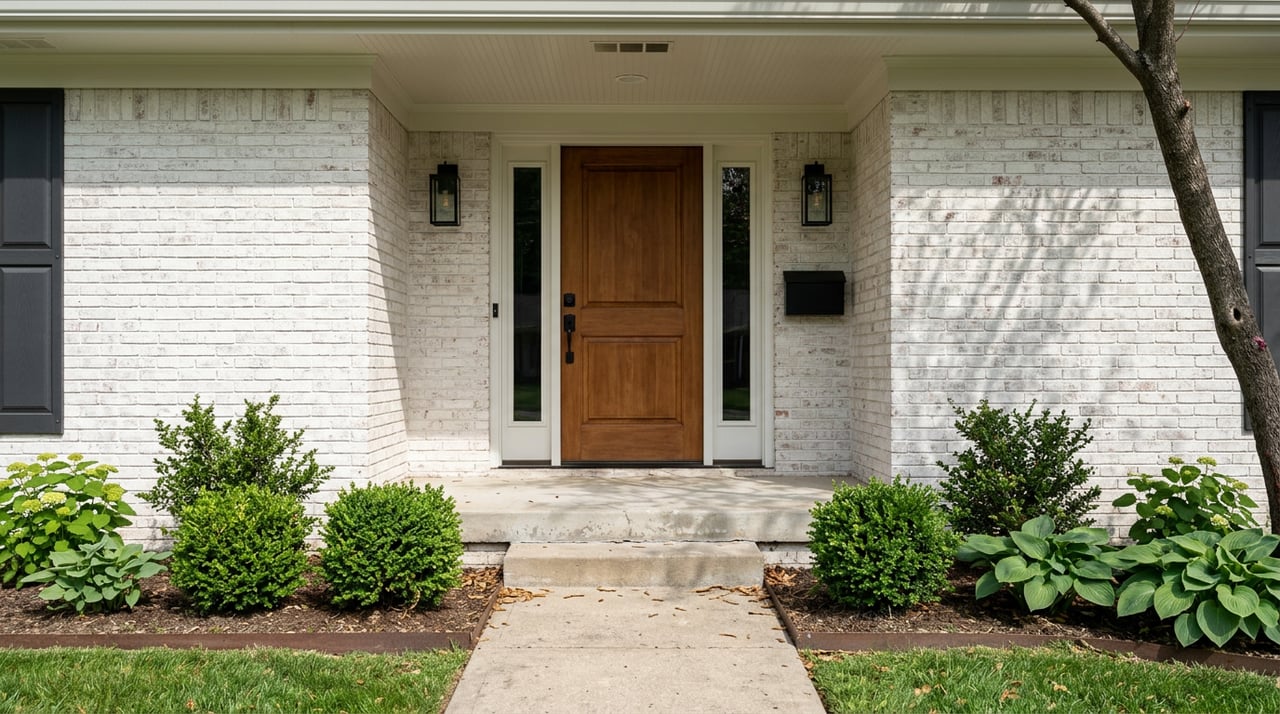
Thinking about a move to Zionsville from out of state? You are not alone. Many buyers choose this west‑side Indianapolis suburb for its small‑town feel, strong schools, and lifestyle amenities. In this guide, you will learn what stands out about Zionsville, how the housing market works, what to know about taxes and commuting, and a practical checklist to make your move smoother. Let’s dive in.
Why Zionsville stands out
Zionsville blends village charm with modern convenience. The historic Village core features brick-paved Main Street, independent shops, and a steady calendar of community events that give weekends a friendly, walkable rhythm. You can preview parks, trails, and town services on the Town of Zionsville website.
By the numbers, Zionsville is a relatively affluent, fast-growing suburb. The town’s population is about 33,000 and median household income is roughly $172,000, with a mean commute time near 22.7 minutes, according to U.S. Census QuickFacts. Many residents work in Indianapolis or nearby suburbs.
Safety is another draw. Public crime dashboards show Zionsville with lower violent and property crime rates than national averages. For context and data snapshots, you can review CrimeExplorer’s Zionsville overview.
Housing market basics
Zionsville’s housing market includes two broad experiences most movers compare: the historic Village and the newer outlying neighborhoods.
Village vs. subdivisions
- Village homes are prized for walkability and character. You will find historic architecture, smaller lots, and quick access to Main Street. Inventory runs lean, and well-presented homes can move quickly.
- Outlying neighborhoods offer newer construction, larger lots, and more space. Many communities include HOAs, neighborhood amenities, and access to major routes like I‑65 and I‑465.
If you value walkability and boutique retail, the Village is unique. If you want a newer floor plan, larger yard, or quieter streets, you will likely focus on Zionsville’s subdivisions.
Price snapshots and why sources differ
Recent aggregator snapshots show typical Zionsville home values in the low to mid $600Ks based on Zillow’s ZHVI, while some reported median sale prices have been lower and county-level figures vary. Different numbers reflect different methodologies: ZHVI is a smoothed index of values, median sale price captures a period’s closed sales mix, and county-level measures cover a wider geography. For your offer strategy, rely on up-to-date local MLS comps and neighborhood-specific analysis rather than any one national index.
Speed and competition
Village homes often command a premium and can sell faster. Upper-end custom builds may see longer days on market, while well-priced entry and mid-market resales can move quickly. If a specific neighborhood is your top priority, be ready with lender pre-approval and recent comps for a confident, timely offer.
Schools and boundaries you should verify
Zionsville Community Schools has a strong statewide reputation for academics and extracurriculars. Explore enrollment resources and programs on the ZCS New Students page.
One key surprise for many movers: municipal borders do not always match school boundaries. Some nearby addresses that feel “Zionsville-adjacent” can fall in different districts. Always verify school assignment by exact property address through ZCS before you write an offer or plan a move.
Taxes and cost-of-living essentials
Indiana’s tax environment is a frequent bright spot for out-of-state buyers, but there are a few local details to understand.
State income tax snapshot
Indiana uses a flat individual income tax that is stepping down over several years: 3.05 percent for 2024, 3.00 percent for 2025, 2.95 percent for 2026, and 2.90 percent in 2027, according to the state’s Department of Revenue guidance. Local county surtaxes also apply. You can review the state’s summary in this Indiana DOR reference.
Property taxes and reassessment timing
Effective property tax comparisons often cite Boone County around 0.80 percent of median market value in public tables. Remember that effective rates depend on local levies and median values and your bill will reflect your parcel’s assessed value and exemptions. If you are buying a resale, pay attention to Indiana’s annual assessment process. Boone County mails Form 11 assessment notices, and trending updates can change assessed values year to year. To understand notices and appeal windows, visit the Boone County Assessor page. For a general comparison tool, see SmartAsset’s Indiana property tax calculator.
Commute and getting around
Most households in Zionsville drive for daily errands and work. Public transit coverage in Boone County is limited compared with larger metro areas.
Typical commute expectations
Census data places the mean travel time to work at about 22.7 minutes for Zionsville residents. Your actual commute will depend on your route and schedule. If you are relocating, test your drive during the hours you plan to travel so you can compare neighborhoods with confidence.
Transit options and shuttles
Fixed-route transit options are limited locally. Regional initiatives and workforce shuttles, like the Whitestown Connector referenced in CIRTA planning documents, serve specific employment corridors rather than operating as full commuter networks. Plan on a car for most daily needs.
Health care and daily amenities
Hospitals and specialty care
Boone County’s full-service hospital, Witham Health Services in Lebanon, is a convenient option for Zionsville residents, and many households also use larger systems in the Indianapolis area for specialty care. To learn about services and patient resources, visit Witham Health Services.
Parks, trails, shopping, and dining
Zionsville manages a well-loved parks system and a multi-use Rail Trail that connects neighborhoods with the Village area. You can explore park maps, trail updates, and event calendars on the Town of Zionsville site. Day-to-day shopping includes Village boutiques and restaurants, while larger retail and big-box stores cluster along the I‑65 corridor and in neighboring communities. For trip planning and local lists, check the Zionsville Indiana guide.
Practical moving checklist
Use this quick checklist to streamline your out-of-state move:
- Verify your school assignment by property address through Zionsville Community Schools before writing an offer. Start with the ZCS New Students page.
- Review the latest Form 11 assessment notice, trending updates, and appeal deadlines if you are purchasing a resale. The Boone County Assessor page explains timing and process.
- Base your offer strategy on local MLS comps and a current CMA for the specific neighborhood. Aggregated national indexes are helpful context but not a pricing tool.
- Test-drive your commute during peak hours you expect to travel. Expect to rely on a car, since fixed-route transit is limited.
- Budget realistically for HOA fees in newer communities and for maintenance in older Village homes. A local inspector familiar with historic systems is helpful when you are comparing properties.
- Map your daily rhythm: favorite parks, the Rail Trail, grocery options, and school or activity routes. This will help you choose the neighborhood that fits your life.
Make your move with confidence
Relocating is a big step, and the right local partner makes it easier. If you want a clear plan for neighborhoods, schools, taxes, and timing, reach out for tailored guidance and on-the-ground expertise. Connect with the trusted advisors at Home Strategy Group to request your personalized market consultation.
FAQs
What should out-of-state buyers know about Zionsville housing prices?
- Aggregator snapshots show typical values in the low to mid $600Ks, but neighborhood comps can differ widely. Use current MLS data and a local CMA for accurate pricing.
How safe is Zionsville compared with national averages?
- Public dashboards indicate Zionsville has lower violent and property crime rates than national averages. See CrimeExplorer’s Zionsville data for context.
How do school boundaries work in Zionsville?
- Municipal lines do not always match school zones. Verify your assigned schools by exact property address through the ZCS New Students page before you make a final decision.
What are typical commute times for Zionsville residents?
- Census data places the mean commute around 22.7 minutes, though your time will vary by route and schedule. Test your drive during expected peak hours.
What should I expect for Indiana taxes when I relocate?
- Indiana’s flat state income tax is scheduled to step down to 2.90 percent by 2027, and Boone County’s effective property tax sits around 0.80 percent in public comparisons. Review details via the Indiana DOR and SmartAsset’s calculator.
Where do Zionsville residents go for hospital care?
- Witham Health Services in nearby Lebanon serves Boone County, and many residents use larger Indianapolis-area systems for specialty care. See Witham Health Services for services and resources.